
From Punishment to Repair
Off CampusThis thread follows Tom Worthington’s guilt over his father’s crimes and his own past, showing how self-punishment gives way to responsibility, restitution, and a more open future.
increasing Bearing strength in each event
 decreasing
Bearing strength in each eventdecreasingCarrying the Family Name

Guilt by Inheritance
A name turned into a verdict
Tom’s father’s fraud makes the family name a public sign of wrongdoing. Tom knows he did not run the scheme, but he experiences strangers’ suspicion as a judgment he cannot easily separate from his identity.
The son’s private accounting
He believes he once benefited from privilege and behaved arrogantly, so he struggles to claim innocence without also denying his own flaws. Rather than distinguish his actions from his father’s crimes, he often treats hardship as a kind of deserved sentence.
This inherited shame becomes a reason to withdraw from school life and avoid asking for help. Tom’s effort to be unlike his father begins as a moral instinct, but it risks turning into the belief that he must suffer to prove the difference.
Solitary Confinement by Choice
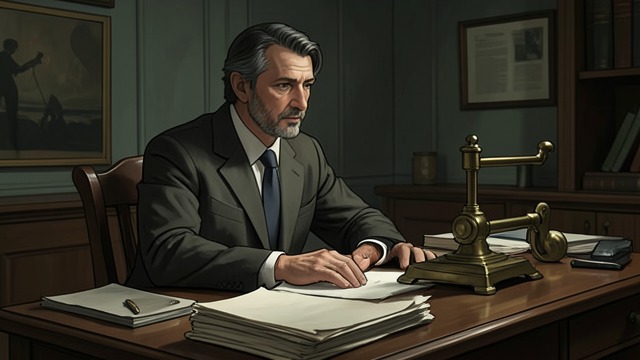
Punishment as a Daily Routine
A controlled retreat
Tom studies alone, avoids old teammates, and spends weekends working in Boston rather than joining campus life. He tells himself that a quiet room and a strict schedule are the safest way to finish school without attracting attention.
Isolation confirms the fear
Because Tom rarely enters the social world, he has little chance to discover that some students might respond to him as a person rather than as a headline. Every unanswered invitation or rumor seems to reinforce his belief that he does not belong.
His self-punishment is therefore both emotional and practical. It limits friendship, rest, and access to opportunities, while allowing him to imagine that endurance alone can repair the damage he associates with his family name.
Seeing the Harm Clearly
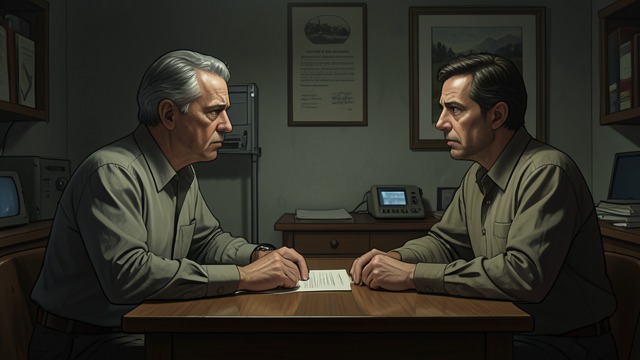
Responsibility Without Self-Condemnation
An encounter with fallout
Tom confronts Jack, who admits that his hostility came from seeing Tom as the living reminder of the financial damage caused by Tom’s father. Jack’s family has been affected, and his last semester at Carlisle is ending under circumstances Tom had not understood.
The limits of an apology
Tom apologizes rather than arguing that he is personally innocent of his father’s actions. He recognizes that his return can carry consequences for someone else even when he did not create the original harm.
The scene complicates Tom’s sense of guilt. He is not responsible for every injury caused by his father, but that does not mean he should ignore the effects his presence has on others. The distinction opens a path toward accountability that does not require self-erasure.
Small Acts of Repair

Practicing a Different Life
Rejoining what he abandoned
Tom returns to running and gradually joins team practices and meets again. The decision does not erase his fear of being watched, but it lets him test whether every public appearance will end in humiliation.
Repair through participation
He also begins speaking in class, eating with friends, and attending an LGBTQ student organization meeting. These actions are small, but they replace the old strategy of hiding with a willingness to participate in places where others may see and respond to him.
Tom’s repair is not a claim that he has become blameless or fearless. It is an attempt to take responsibility for his present conduct, including the choice to stop punishing himself for the actions of someone else.
A Future Not Inherited

Building What Comes Next
Work with a purpose
Tom secures tuition support and teaching work, then considers extending his studies in a direction that could lead to nonprofit work. His future begins to rest on choices and effort rather than on the wealth and status once assumed to be his inheritance.
Making room for love and community
He also returns to Reese Anders and accepts that commitment asks more than private desire. He has to communicate, let friends support him, and make decisions that include the people whose lives are intertwined with his.
Tom does not escape the consequences of his father’s crimes, nor does he forget his own past arrogance. But he stops treating permanent isolation as repayment. A life of his own becomes possible when he responds to the past through responsible choices instead of endless self-punishment.
After Tom’s father’s arrest and the collapse of the family fortune
During Tom’s first semester back at Carlisle
After Tom confronts Jack in the administrative building
During Tom’s return to track and ordinary campus life
Near the ending, as Tom considers staying at Carlisle for another year
